
 Welcome to my series on practical ways to help the elderly. You can read the introduction here.
This is the 4th article in the series of ways to help the elderly live better.
Keeping the elderly physically safe and secure is a probably the biggest and sometimes the most frustrating task for a carer. It is such an important topic that I am breaking it down into smaller articles.
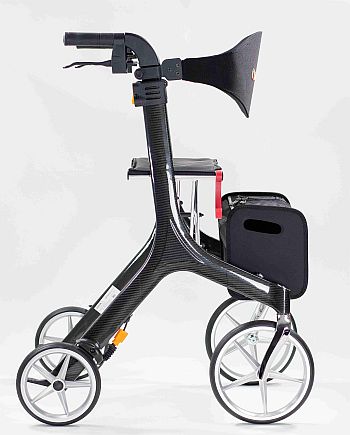
The elderly fear losing their independence and some fear looking weak. There are elderly folk where we live who refuse to use a walking stick, walker or wheelchair which makes it very difficult for the carer.
Because we live in a facility that requires us to be self sufficient, some oldies are scared of being told to move to an assisted living environment which they won’t be able to afford.
They also don’t want to be a burden on their families. By refusing to use a walking aid they are putting themselves at risk of falls.
It is a fine but frustrating line that the carer has to follow. Take the necessary precautions while maintaining the dignity of the oldie can be very challenging.
This is what I have learned to do with Dave who is diabetic and no longer very steady on his feet. He is prone to stumbling because he is losing feeling on the soles of his feet due to neuropathy (nerve damage).
Take it slowly … very slowly
It sounds simple but boy it can be frustrating when you are in a hurry. Give yourself an extra 30 minutes to let your loved one get ready. Have a checklist - hearing aids, glasses, wallet, notebook, walking aid, hat, keys, jacket … You may have to go through the checklist more than once.
Getting from the house to the car is a journey even if it is not far. Walk slowly in front and check for obstacles on the path. They may want to stop and admire the flowers or talk to a neighbour. Let them. They probably seldom leave the house.
Dave uses quite a fancy walking stick that we bought from Dischem for about R400.00. It has an adjustable night light, a red flashing light and a siren to raise the alarm if he falls. I have taped my name and phone number onto the stick in case I am not with him. Being diabetic he also wears a medical alert bracelet.
When you get to the car let your loved one choose the easiest way for them to get in. They know where their aches and pains are. By this stage they can get very grumpy. Smile!!
When you get to your destination, let them take the lead on extricating themselves. Don't try and pull them by the arms. Steps are often a nightmare. Apart from the physical exertion, they probably have hip and knee problems.
If the place you have gone to is unfamiliar, it is likely that they will be disoriented. It doesn’t mean they have dementia. They need time to adjust, look around and gather their thoughts.
Make sure they have a chair that is not too low. It is very humiliating not being able to stand up without help.
Hopefully your sense of humour is still intact for the return journey home. You will need it.
PS. I love my man to bits but I am human and I am sure many of you will identify with the process.
Please subscribe for further ways on how to help the elderly.

